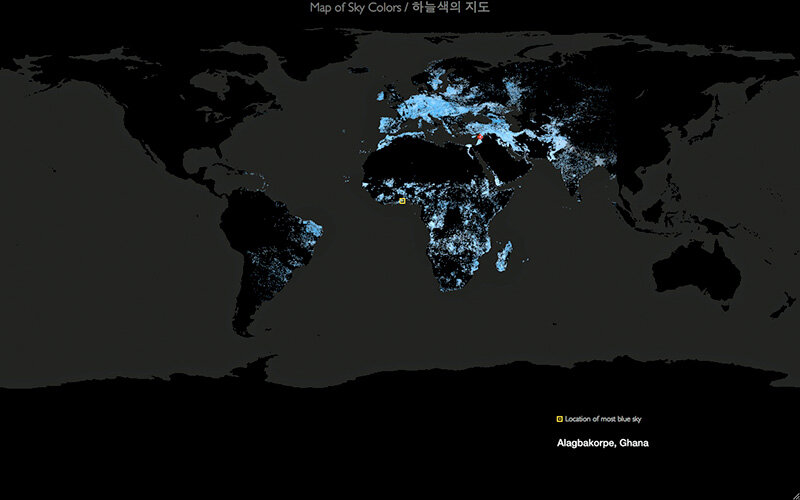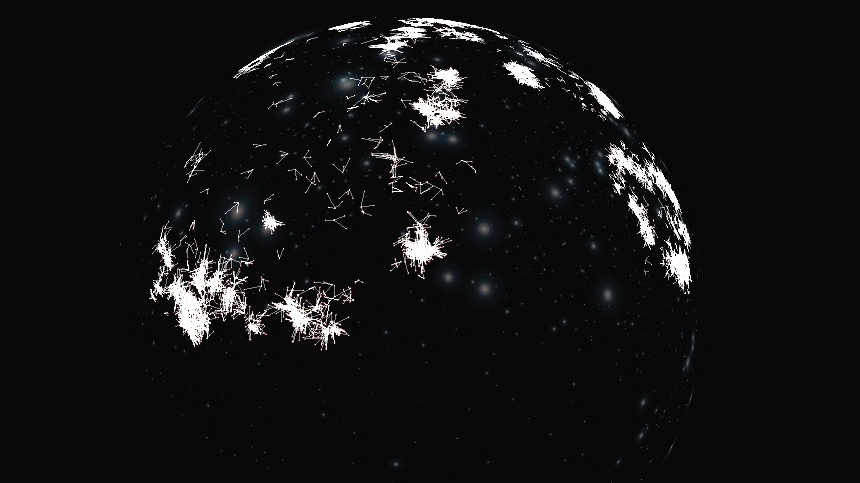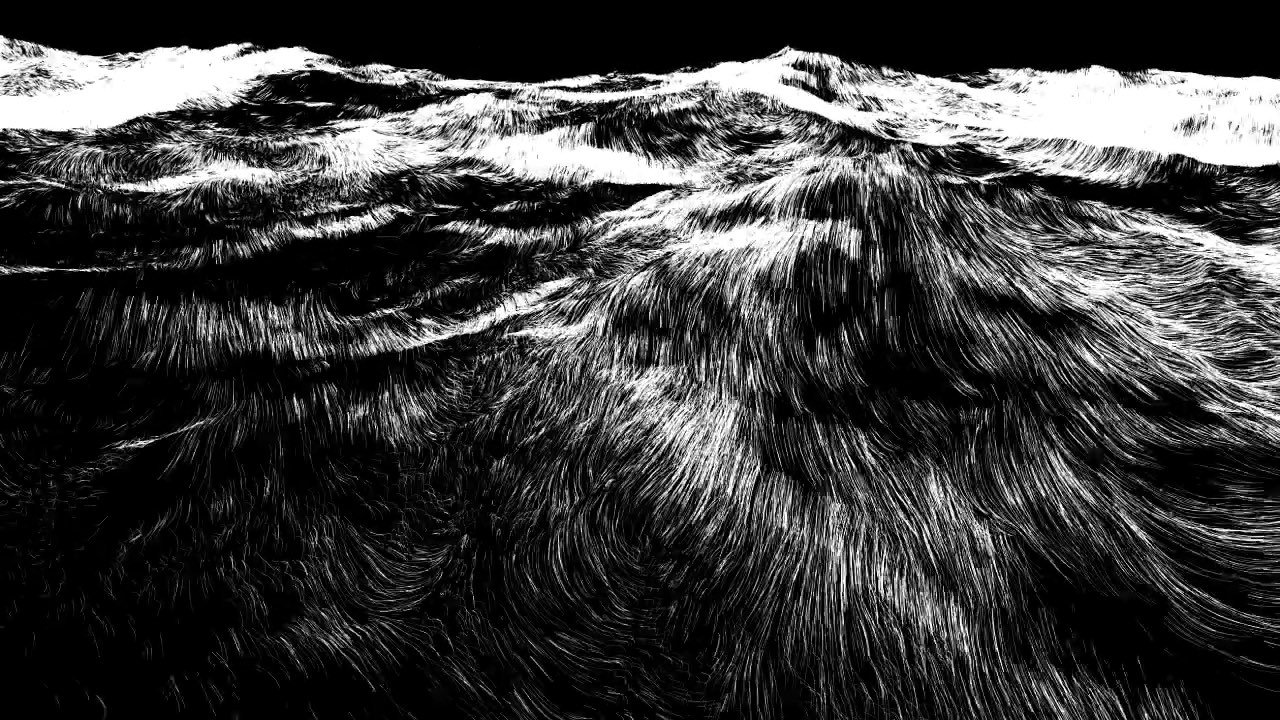
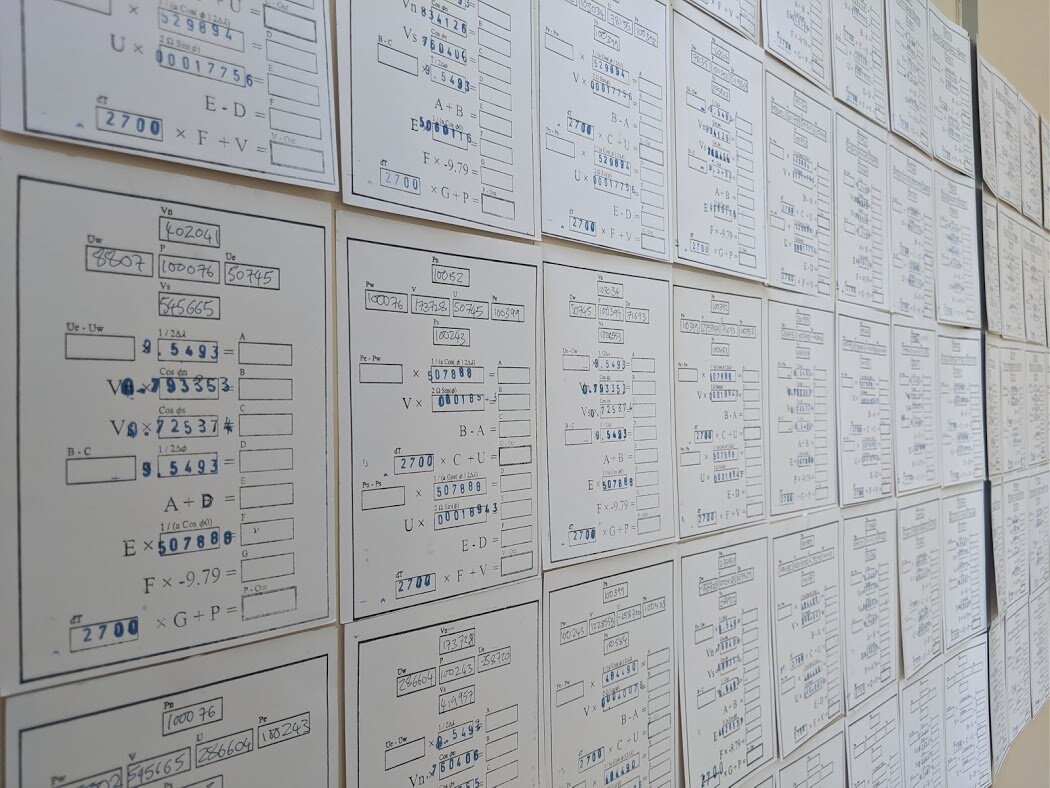
Most Blue Skies is a project that attempts to find ?the most blue skies? in the world. Using real time global atmospheric data as raw material, the project simulates the passage of light through particulate matter in the atmosphere and calculates the colour of the sky for millions of places on Earth. By comparing billions of these calculations every second, the project identifies the intensity and location of the ?most blue sky? in the world at that exact moment. Minute by minute, as the Earth rotates and weather systems change, the system continuously updates a display showing the name of the place, which currently has the most blue sky with a square of very beautiful blue light, showing the best possible approximation to its colour.
Most Blue Skies combines the latest in atmospheric research, environmental monitoring and sensing technologies with the romantic history of the blue sky and it?s fragile optimism.
To be exhibited at IMPACT - Living in the Age of Climate Change, in connection with the Copenhagen Climate Summit in October 2009. (website in process)
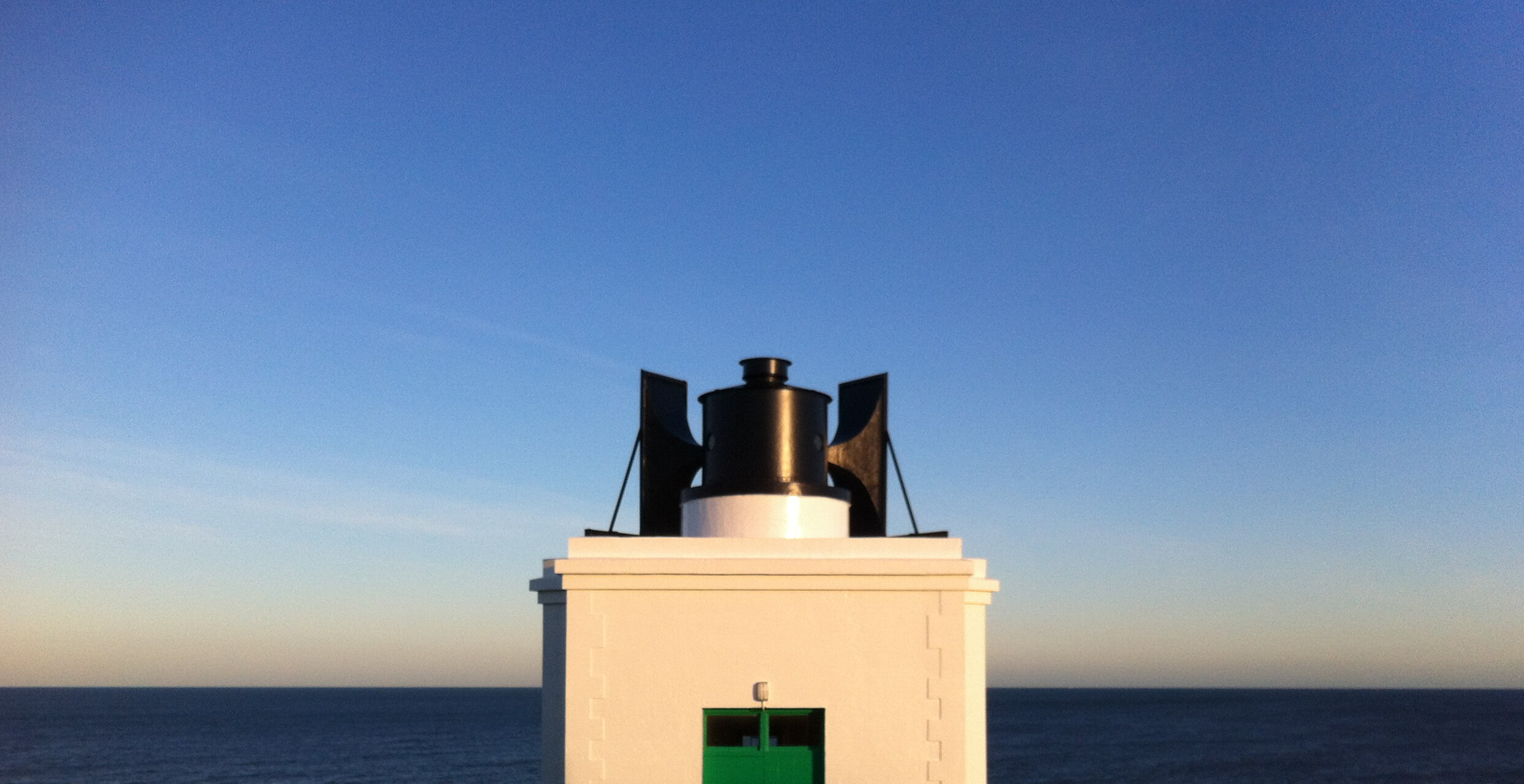
project inspired by the acoustic mirrors, a military defence system for listening to the sky created between the two world wars. The project is constructing two new sound mirrors – one in England and one in France. The new mirrors will face each other across the English Channel, and will enable the French and the English to speak across the sea.
a children's think tank set up in support of The Sound Mirrors Project.
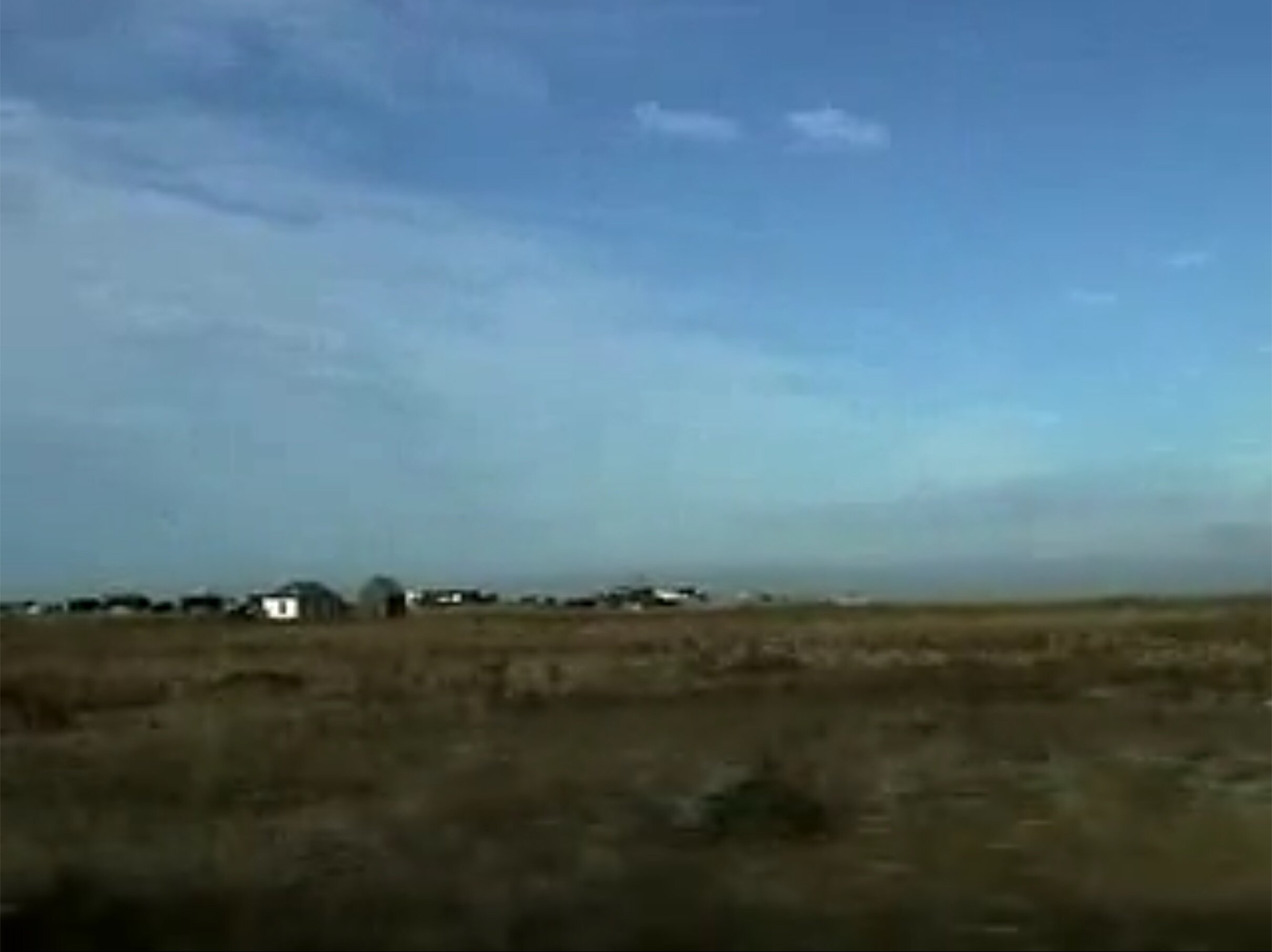
A video journey to the Dungeness peninsula in search of information about the so-called Acoustic Mirrors, a forgotten acoustic defence experiment from between the two world wars locally known as “listening ears”. Fragments of research, recollections and memories tells the story of a unique, isolated place and of the slowly disintegrating sound mirrors.
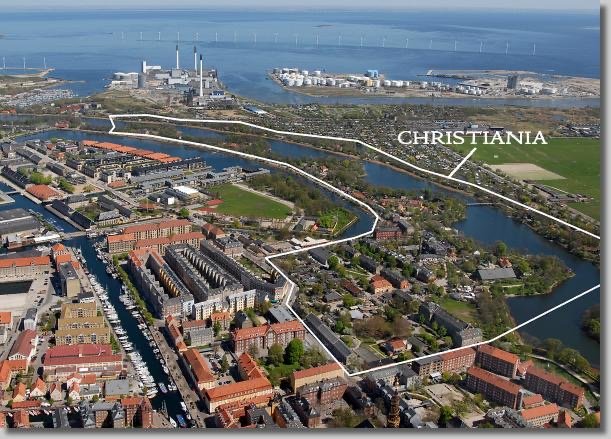
a research programme for the Free Town Christiania in Copenhagen.
a new kind of harbour on the Thames in central London
a campaign for the right to live on the river Thames.
a Goldsmiths Curating Project from 1996

Lise Autogena is currently a Fellow of the National Endowment of Science, Technology and the Arts
Contact